







The Road to Polymathy
You don't have to master everything. Just enough to see the connections.
Riley
Strategic Startup Advisor
"How did you build that mind map It's gold! Man this is brilliant good job"
Rachit Magon
The AI Podcast
"Thats a very interesting mind map! Ive read the book long long back but this made me revisit it in 20 seconds"
Antonis Evmorfopoulos
Founder
"Spent way too much time looking at the mindmap!"
Harrison Telyan
Founder
"This is brilliant. Going to be sharing this with our designers."

Usman Sheikh
Founder
"This is pretty awesome. Just logged into your app to see how to do this myself!"
Riley
Strategic Startup Advisor
"How did you build that mind map It's gold! Man this is brilliant good job"
Rachit Magon
The AI Podcast
"Thats a very interesting mind map! Ive read the book long long back but this made me revisit it in 20 seconds"
Antonis Evmorfopoulos
Founder
"Spent way too much time looking at the mindmap!"
Harrison Telyan
Founder
"This is brilliant. Going to be sharing this with our designers."

Usman Sheikh
Founder
"This is pretty awesome. Just logged into your app to see how to do this myself!"
*Globally trusted. Occasionally revisited
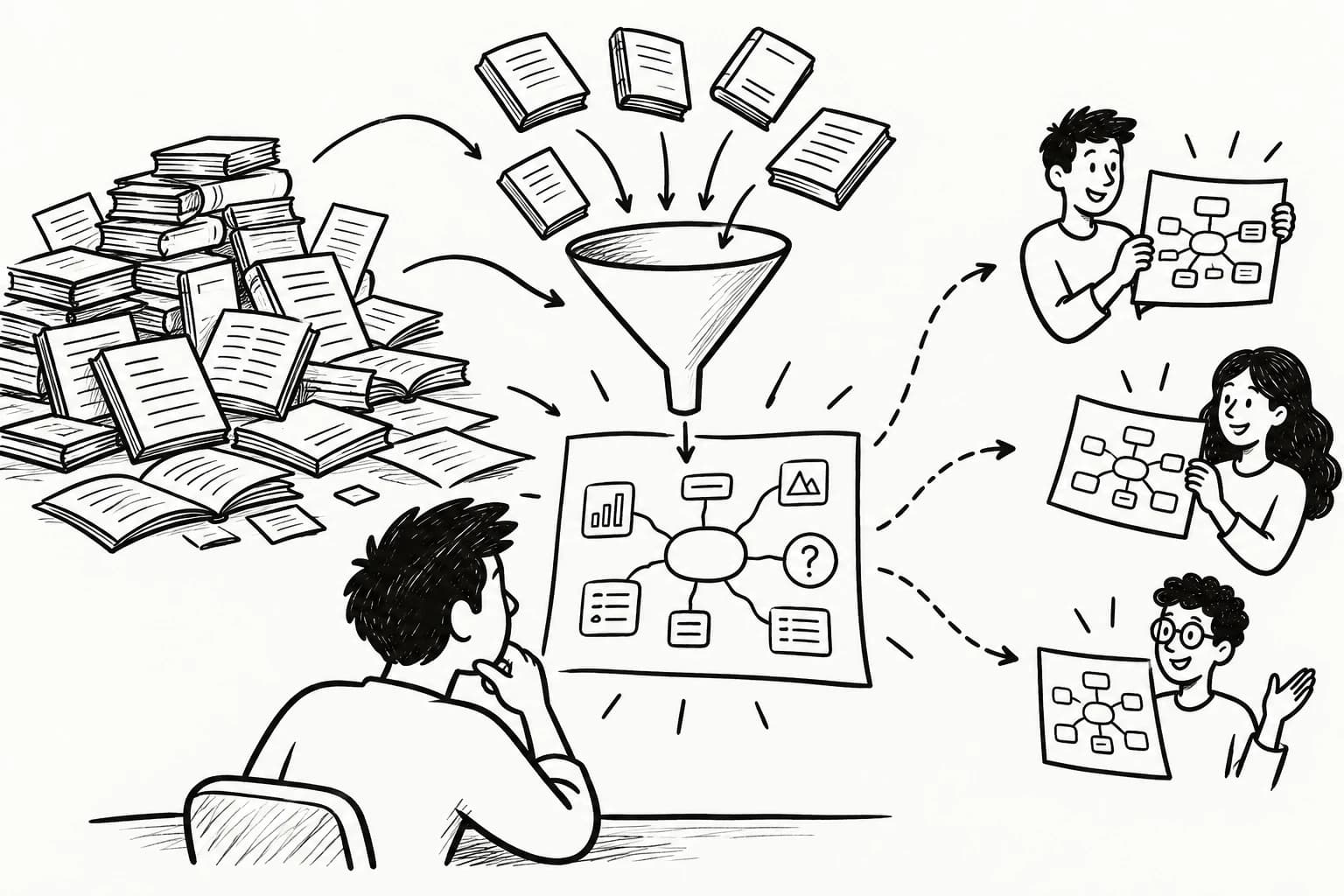
The internet gave everyone the tools to become a polymath

But you need a Filter
Day 3

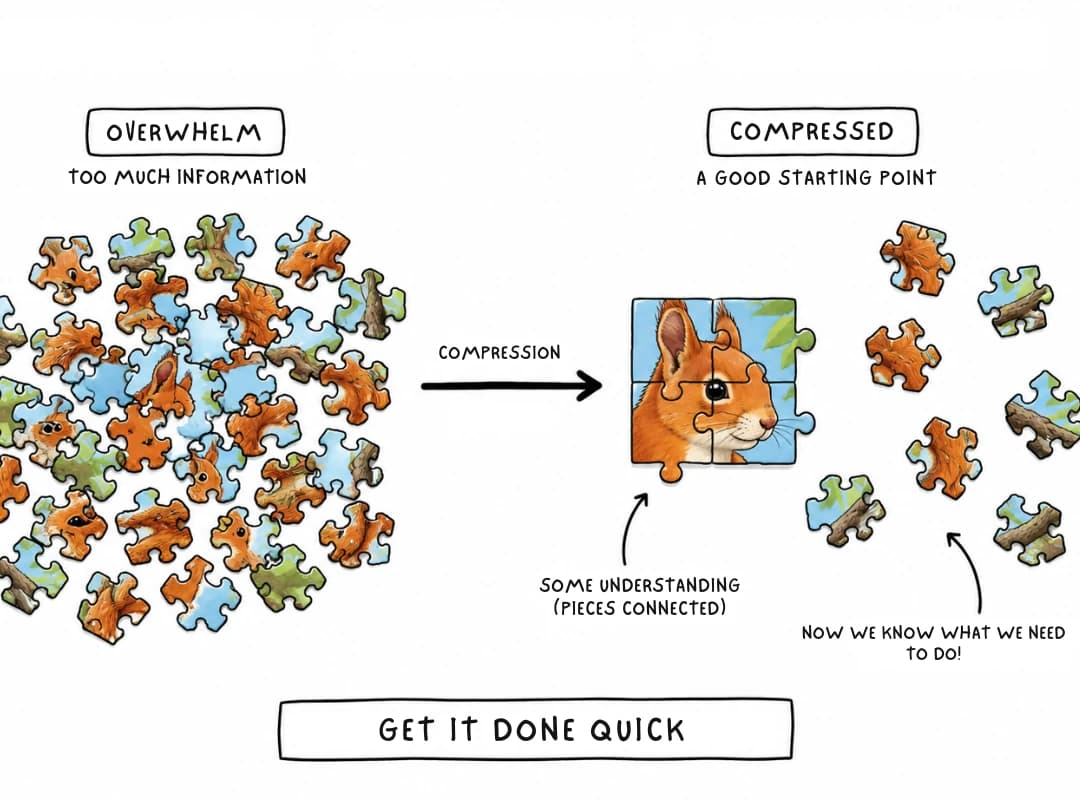
No clutter, No noise, Brain starts to relax, focus and contemplate and starts curiosity driven learning.
Learn the one skill that makes it possible

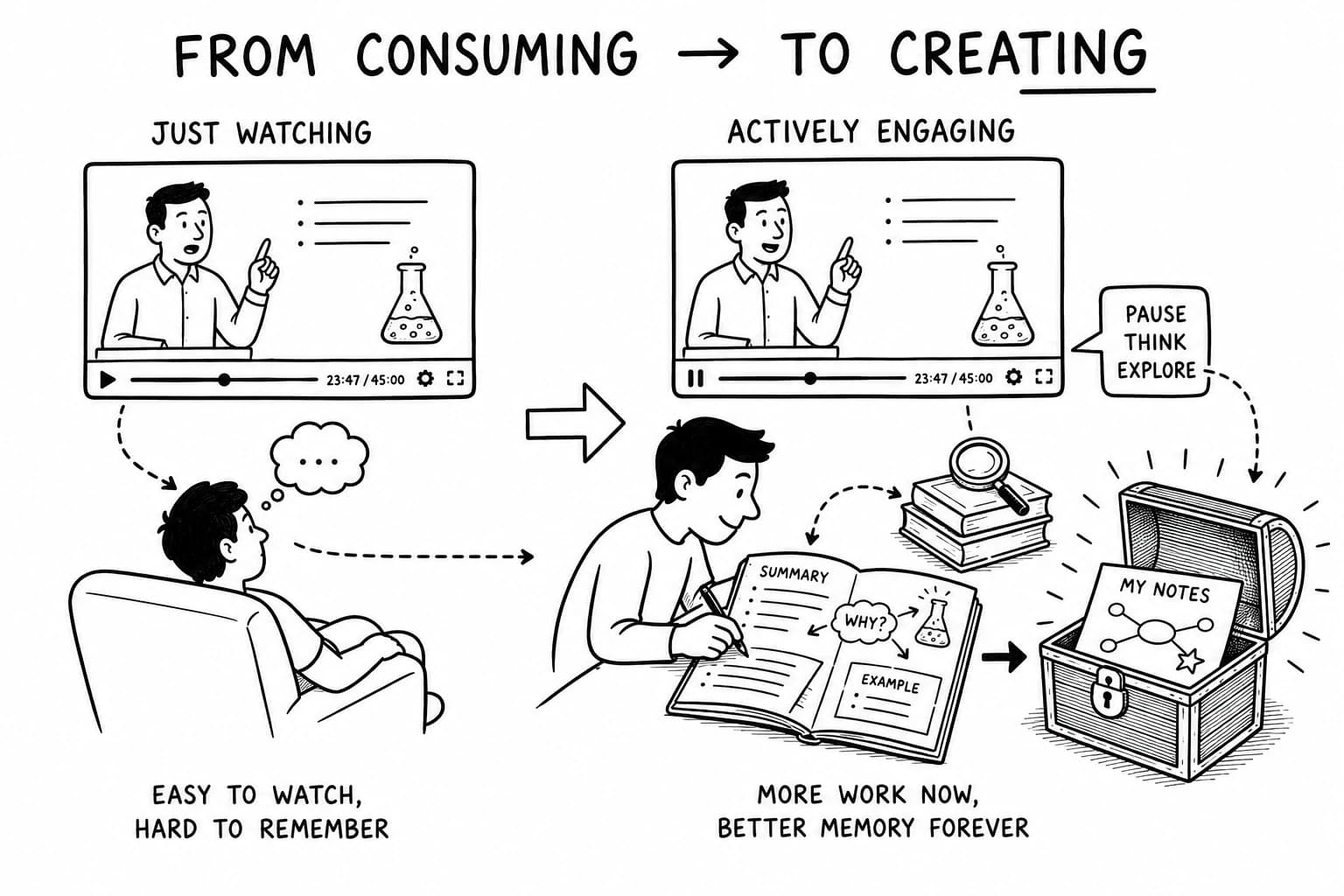
Minimize stimulation, and let your brain do what it does best.
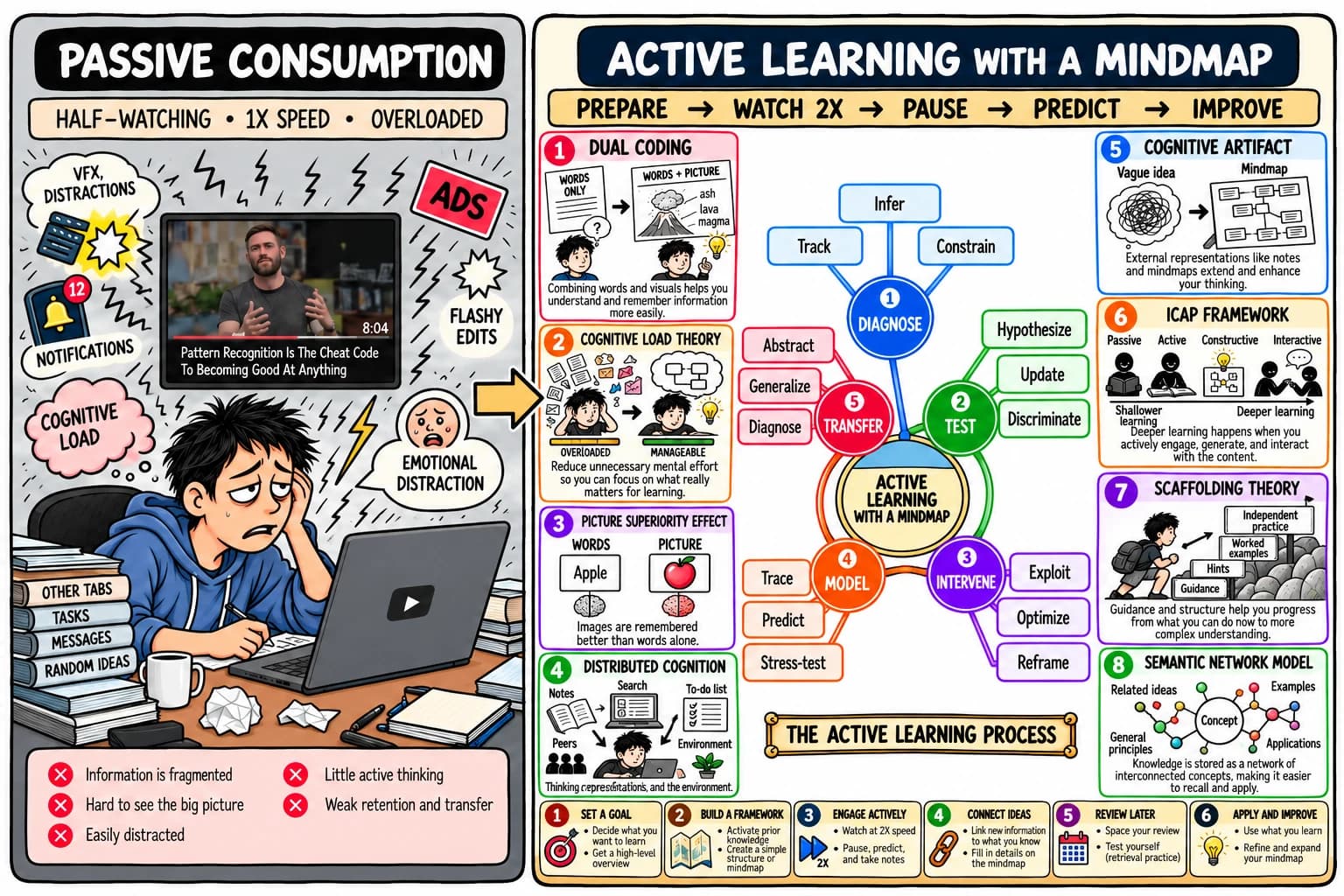
[1] Pattern Recognition as a Universal Learning Cheat Code — "Most people assume the fastest learners have better memory, higher intelligence, or some natural advantage the rest of us don't. Then I noticed something strange. Patterns that had taken years to build playing competitive chess started showing up again while building a YouTube channel. Within 14 videos, the channel hit 25,000 subscribers." (0:00), supported by the observation that grandmasters, programmers, writers, filmmakers, and entrepreneurs all surface-different but share a hidden process. This is the foundation for everything that follows.
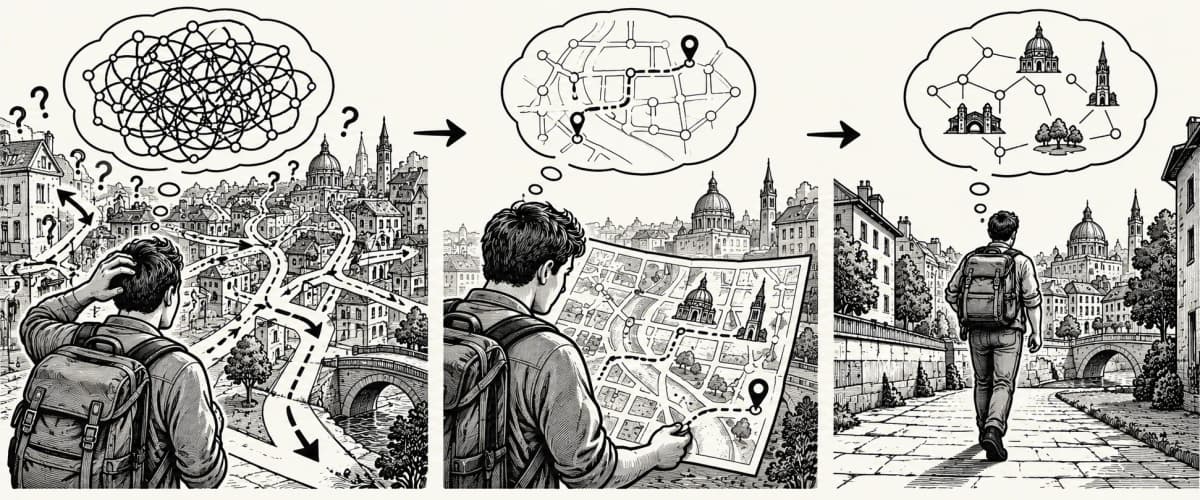
[2] Expert Compression of Information — "He's not processing more. He's processing less at a far higher resolution." (1:31), supported by Carlsen seeing weak kingside structures instead of individual pieces, competitive programmers instantly spotting dynamic programming and graph theory, and the framing that experts collapse hundreds of facts into a handful of recurring patterns. Recall the opening premise — experts aren't smarter, they're more compressed.
[3] On-Demand Compression as a Skill — "Compression isn't something that happens after 10,000 hours. It's something you can start doing on purpose with the very next thing you're learning." (2:16), supported by the claim that once you begin compressing, what felt like a hundred separate problems collapses into five or six. This is the first actionable takeaway from the framework.
[4] Semantic Search as Intuition's Source — "This isn't a skill you're missing. It's a library you haven't filled yet." (3:27), supported by 'number of ways' triggering dynamic programming, 'shortest path' activating graph algorithms, and chess clues like an exposed king activating pre-built plans. Up to this point, everything has been context — now the framework's second level unlocks what triggers pattern recognition itself.
[5] Automatic Firing After Repetition — "Every time you consciously notice that a detail means something, you're adding an entry that fires automatically from then on. The first 10 times it takes effort. After that, it's just what you see." (3:34), supported by the principle that conscious noticing builds a search library that becomes automatic. This directly bridges semantic search into the next level — recognizing a pattern isn't enough without knowing what to do with it.
[6] Templates Replace Blank-Page Thinking — "The moment a competitive programmer recognizes a dynamic programming problem, they're no longer staring at a blank page. They already have a framework. Define the state. Define the transition. Define the base case." (4:26), supported by filmmaking skeletons like the hero's journey, three-act structure, and save-the-cat, plus writer frameworks for hooks, transitions, and endings. The tone noticeably shifts here from recognition theory to execution speed.
[7] Accelerating Returns Through Template Repetition — "Once you know it's a template forming, you can build them on purpose. And the gap between your first attempt at something and your fifth can collapse from months to days." (5:17), supported by the observation that the second time you do something is dramatically—not slightly—faster than the first. Interestingly, most people experience this acceleration once by accident and never identify why.
[8] Cross-Domain Pattern Transfer as the Deepest Level — "The highest performers eventually stop using patterns inside a single field. They start carrying them between fields entirely." (5:33), supported by chess review habits revealing the same missed-pattern flaw in YouTube videos, probability instincts transferring from moves to content decisions, and the framing that what's actually being built isn't a skill but the thing that builds skills. This is arguably the most important takeaway.
[9] Decision Quality Decoupled from Outcome Quality — "A good move can still lose, and a bad move can still win. So, the quality of a decision and the quality of an outcome end up being two different things." (7:00), supported by the YouTube application of not over-reacting to strong videos that underperform and not over-trusting lucky breakouts. The speaker intentionally spends extra time here—the nuance is that decision quality doesn't guarantee outcomes.
[10] Compounding Returns Across Domains — "The first domain takes the longest, and every domain after that gets faster, because what's actually being built isn't a skill, it's the thing that builds skills. Patterns compound." (7:32), supported by the assertion that each new unrelated domain starts from a process that already knows how to build itself rather than zero. This brings the discussion full circle to the opening claim that learning curves can be dramatically shortened once the underlying meta-process is understood.
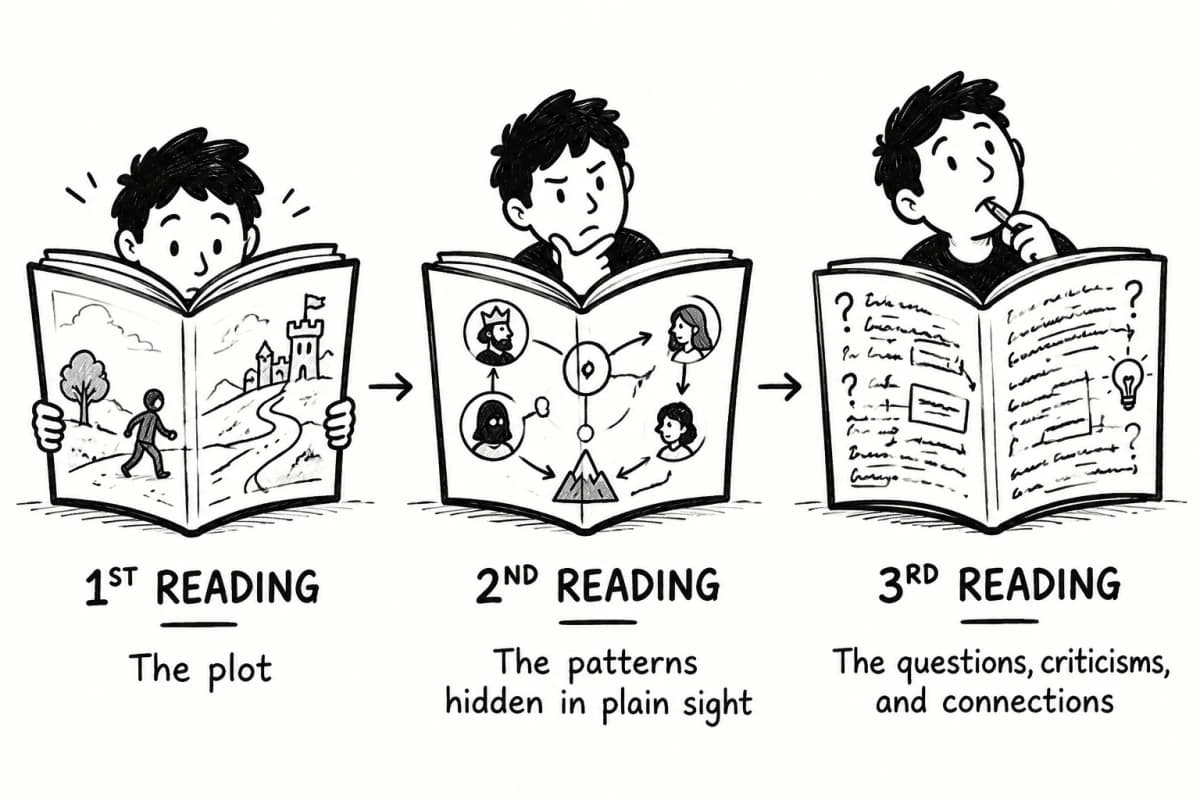
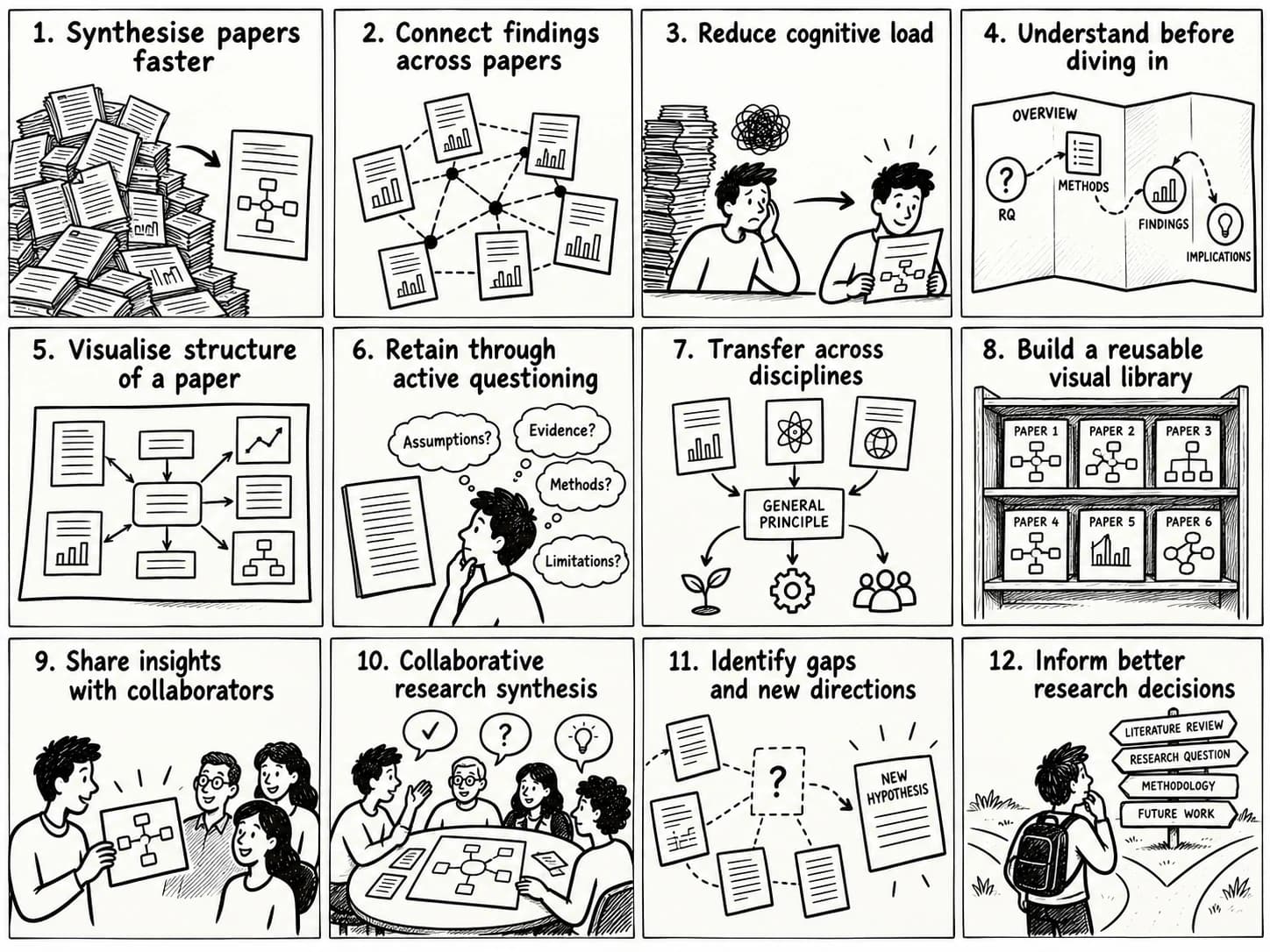
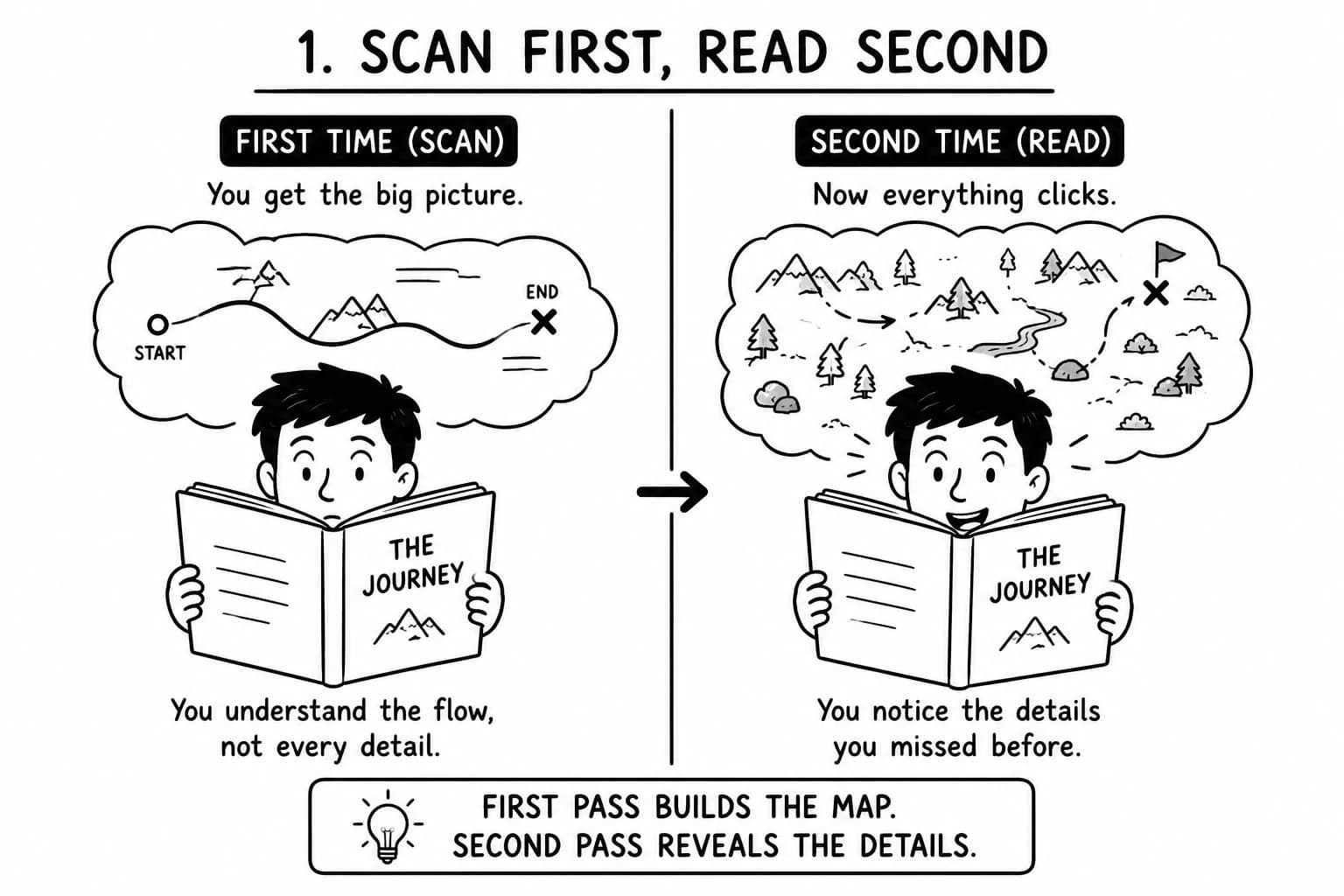
Timestamp indexed summaries makes your first-pass reading quick and efficient.

Truly, A Map of Minds. A Face for Every Idea
15 Day Challenge (Its Free!)
Sit in silence and think. Your brain will thank you later.
Rewire Your Brain in 15 Days.
Free Forever
- Need more credits? Engage with the community on Discord
- One Mindmap a day Free
- Usage resets at 12 AM UTC.
- No subscriptions
- Unlimited History
- Evaluations
- Analytics
Frequently Asked Questions
Watch the video attentively or extract the YouTube transcript to identify key ideas. Use tools like ChatGPT for YouTube summarization or a mind map AI converter like Y2Map.com to turn the content into a structured, visual summary.
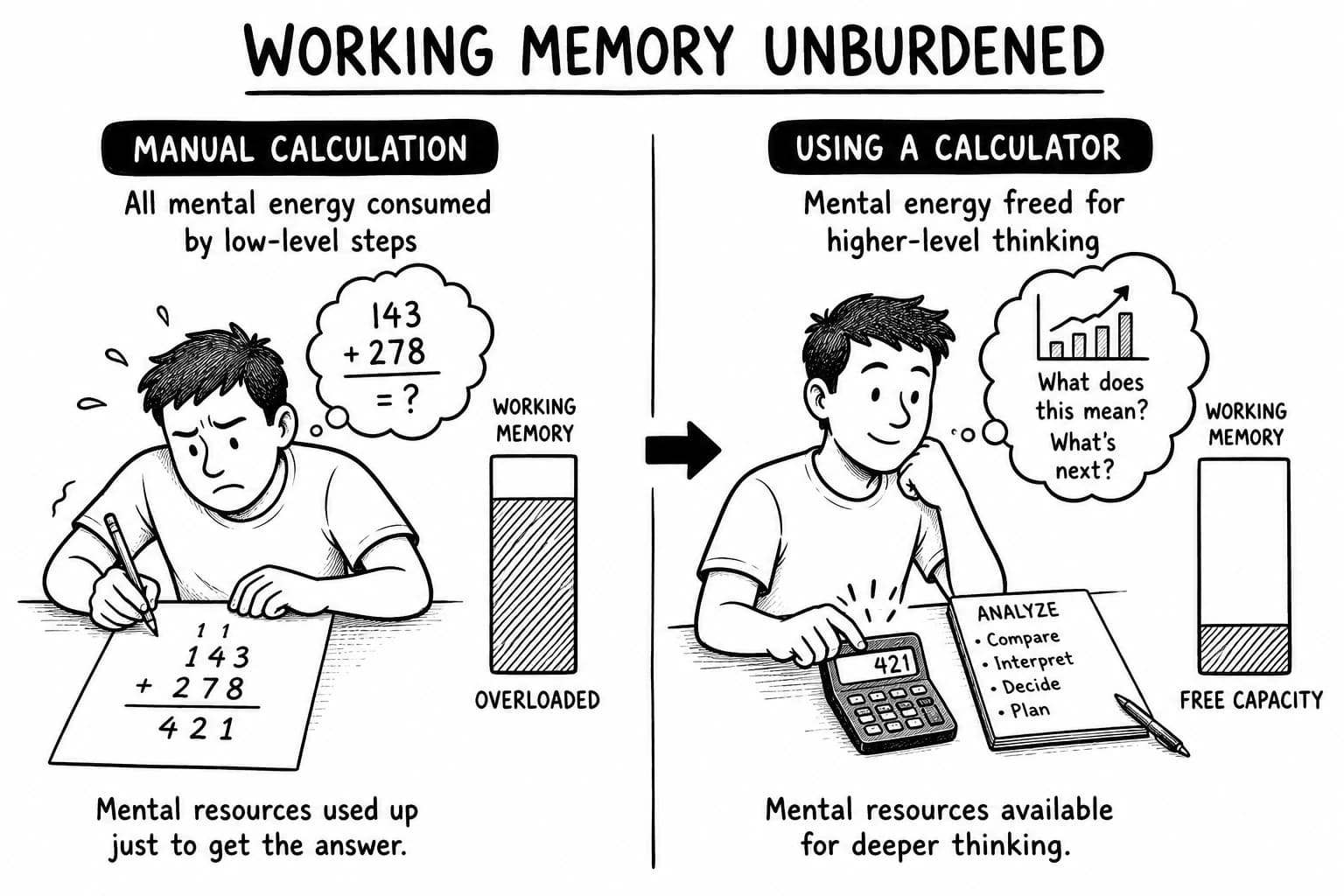
Break the research into themes and subtopics, whether it’s from articles, PDFs, or YouTube transcripts. Then use tools like Miro, Ayoa, MindMeister, or Y2Map to visually map the findings. ChatGPT can help extract and organize complex insights efficiently, especially for YouTube summarization.
Summarize paragraphs or YouTube transcripts into key points, group related concepts, and arrange them around a central theme. AI tools like ChatGPT, combined with Miro or Ayoa, streamline this process. Or just use Y2Map for automatic YouTube summarization and mind map generation.
Y2Map, MindmapAI, and Mapify are effective for turning YouTube links—along with their transcripts—into visual mind maps. These tools are ideal for students, researchers, and content creators looking to streamline YouTube summarization into clear visuals.
Y2Map’s multi-agent AI reads YouTube transcripts and performs deep summarization, producing mind maps that *truly resemble* visual structures—not just linear lists. It's built for clarity, deeper understanding, and faster insight extraction from YouTube content.
Miro is excellent for team collaboration but lacks built-in AI for YouTube summarization or transcript analysis. MindMeister has some AI features, but output formatting isn’t ideal for sharing. Y2Map stands out by converting YouTube transcripts into clean, non-linear mind maps—perfect for sharing on social media or embedding in YouTube Shorts.
Mind mapping is best known for visual learning and cognitive clarity—turning scattered thoughts, research, articles, or YouTube transcripts into coherent visual structures that are easy to remember and present.
Paste a topic, long article, or YouTube transcript. ChatGPT will analyze and summarize it into an outline of major points and themes, which you can easily convert into a mind map using Y2Map—for free! This is ideal for YouTube summarization tasks.
Google doesn’t offer a dedicated mind map tool. However, NotebookLM helps organize ideas and summaries, including those from YouTube transcripts. For visual mapping, external tools like Miro, MindMeister, or Y2Map are your best options.